


Tips to Keep New York Pets Tick-Free
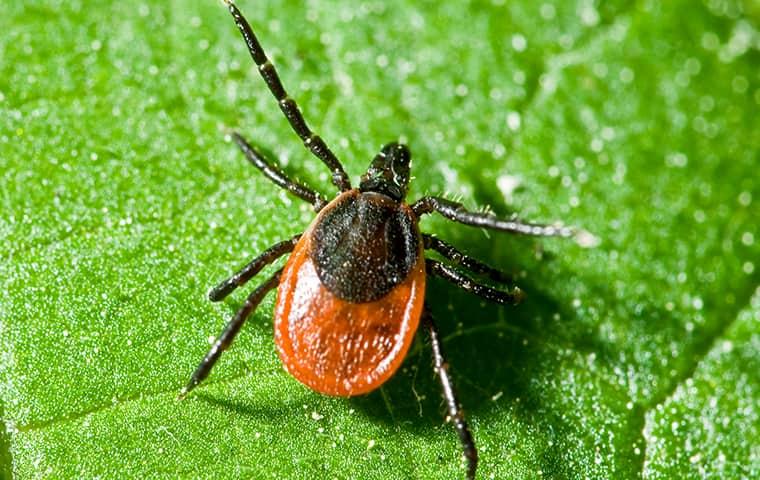
Summer is the heart of tick season in NYC. Summer temperatures make wildlife active, and active wildlife spread ticks everywhere they go. If they come into your yard, your pets can be at risk for tick-borne diseases. They can also expose you and everyone living in your home to these diseases. So it is important to apply strategies to prevent ticks from getting on your dogs or cats. Here are a few tips to help you keep your pets tick-free.
Pet Products
Flea and tick collars are an important first step in tick prevention. While they are certainly not a complete solution, they provide a frontline defense that should not be overlooked. Consult your veterinarian to see if a collar is right for your pet and your particular situation.
home inspection today!




-
Parkway consistently provides immaculate service. Caroline M.
-
Knowledgeable, great service. Jean R.
-
Great service! Thomas F.
-
Quick response, excellent service! Robert M.
-
Good costumer service! Patty M.
-
I was pleased with his knowledge and professionalism. Joseph C.
-
Great service! Great communication! Great company! Darryl M.
-
Parkway Pest provided peace of mind that our pest problem was resolved. Michael C.
-
Parkway is the way to go. Glenn K.
Wildlife Control
Many attractants can lure wildlife into your yard and expose you and your pets to ticks. Some of them might surprise you.
- Bird feeders. Are you aware that birds can have ticks on them? It's true. Birds can actually have dozens of seed ticks on them, and they are proficient transporters of black-legged ticks, which can carry Lyme disease.
- Keep feeders away from your exterior walls and away from your outside recreational areas to reduce ticks.
- Lawn clutter. Mice and rats love clutter. Mice will hide in objects left in your yard, and Norway rats dig burrows underneath piles. Keep clutter picked up or stored away to reduce rodent activity.
- Tall grass. Wildlife feels much more comfortable coming into your yard when you let your grass grow, and your weeds get out of control. Keep things trimmed to resist wildlife traffic.
- Dense landscaping. When plants are close together, they provide the perfect location for animals to hide and explore for food. Put space between your plants to make animals feel more exposed to predators when exploring your perimeter.