


Get Rid Of Pantry Moths In Your Long Island Kitchen Once And For All
Have you found tiny, ⅝ inch moths in your kitchen? Are they a rusty color with a tan band through the middle? Those are Indian meal moths. Today, we're discussing a few things you need to know about these moths and going into detail about how you can get rid of pantry moths in your Long Island kitchen or pantry. Warning: some of this article will be gross. Pantry pests are unsavory to think about.
Why Are There Moths In Your Pantry?
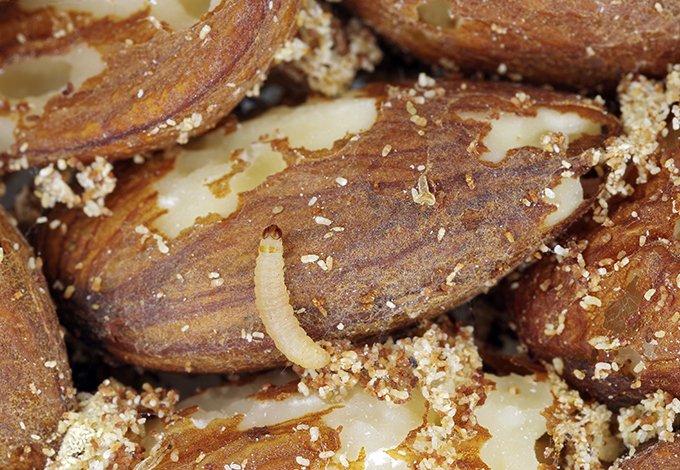
The thing you need to know most about Indian meal moths is that it is unlikely that they came in from the outside of your home. If you see moths in your home, it is because your food is already infested. You brought home something from the grocery store that had Indian meal moth eggs in it. When those eggs were brought into your home, the temperature of your home and the right timing allowed those eggs to hatch. This led to tiny caterpillars crawling around inside your food. Those caterpillars cocooned and developed through the pupal stage to the adult stage. That is what you see now if you have a pantry moth infestation. The moths in your home don't eat anything. They live only to breed and lay eggs. This is why they don't live in your yard and get into your home from the outside.
home inspection today!




-
Great service! Great communication! Great company! Darryl M.
-
Excellent care and well-experienced! CJ Z.
-
Good costumer service! Patty M.
-
Great service! Thomas F.
-
Amazing company and great service. D. Hunsaker
-
Parkway is the way to go. Glenn K.
-
I LOVE this company. I highly recommend them. C. Petronella
-
I would certainly use them in the future if need be. Debra C.
-
I was very pleased with his service. Carol G.
How Do You Stop An Indian Meal Moth Infestation?
You might be tempted to throw all your food out and start from scratch, but that is costly, and it might not solve your problem. It is better to roll up your sleeves and do the hard work of putting all your food into sealed plastic containers or bags. Isolate the foods that are infested and put them in the trash outside of your home. Once you've gotten rid of your problem, consider purchasing airtight glass or plastic containers to continue to protect your stored foods from infestation. These containers serve two primary purposes. They contain pantry pests and prevent them from spreading, and they help you see them crawling (or wiggling) around in your food.
Are Pantry Pests Dangerous?