

Problems Squirrels Cause To Our Homes And Businesses
If you are like most people, seeing squirrels running around outside your home or business is no big deal. You may even enjoy their presence. After all, they can be quite comical to watch. But when these rodents get inside where we live or work, they can cause some pretty significant problems. And they cease to be comical.
Identification
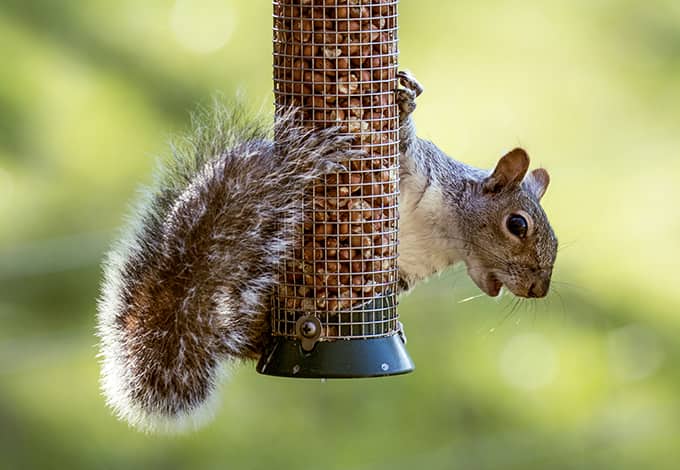
A grey squirrel has a silver-grey, speckled coat with a brownish tinge on its feet, face, and along its back (especially in summer), with a tail that is fringed in white. Grey squirrels are much larger than red squirrels, growing as large as 20 inches from nose to tail and weighing in at around 24 ounces. Its diet consists of large seeds of trees such as oak, beech, hazel, sweet chestnut, and walnut.
home inspection today!



-
Awesome service, highly recommended! Ahmad J.
-
Good costumer service! Patty M.
-
Amazing company and great service. D. Hunsaker
-
I was very pleased with his service. Carol G.
-
I LOVE this company. I highly recommend them. C. Petronella
-
Parkway Pest provided peace of mind that our pest problem was resolved. Michael C.
-
Excellent, prompt, and courteous service. Jeff R.
-
Knowledgeable, great service. Jean R.
-
I would certainly use them in the future if need be. Debra C.
What Happens When Squirrels Get Inside Structures
While squirrels are generally more than happy to live outside, sometimes they find their way into attic spaces and wall voids. When this happens, they are likely to chew on everything in sight. Like other rodents, such as mice and rats, they will chew on stored items, insulation, sheetrock, food packages, and more. They may also chew on wires inside wall voids or other areas, which can disrupt power flow or, worse, cause a spark that could result in a fire.
Once inside, squirrels are likely to chew entry holes larger or chew additional holes. This increases the chances of rain getting in and allows heat, or cool air, to escape. Rain or moisture getting in can lead to wood rot and a whole host of other problems. Heat or cool air escaping means increased heating and cooling bills.