


The Symptoms Of Lyme Disease And How It's Contracted
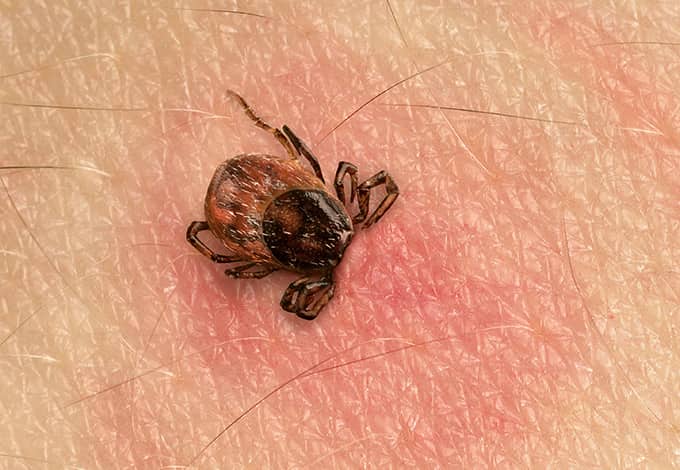
As Lyme disease becomes more of a concern for Americans, with approximately 300,000 new cases reported each year in the U.S., it is important to know the facts about this dangerous condition. If you are not familiar with this disease, Lyme is an infection caused by transmitting a spiral-shaped bacterium called Borrelia burgdorferi. This bacterium is transferred to humans by way of a tick bite. But not just any kind of tick transfers Lyme. According to the Centers for Disease Control and Prevention, the only type of tick that transmits this Lyme-causing bacterium is the black-legged tick, also called the deer tick. Many ticks that do not carry this bacterium are Lone star ticks, American dog ticks, Rocky Mountain wood ticks, and brown dog ticks.
home inspection today!





-
I was very pleased with his service. Carol G.
-
Quick response, excellent service! Robert M.
-
Parkway is the way to go. Glenn K.
-
Great service! Thomas F.
-
Great service! Great communication! Great company! Darryl M.
-
Knowledgeable, great service. Jean R.
-
I highly recommend Parkway. Jullian D.
-
Parkway consistently provides immaculate service. Caroline M.
-
Excellent, prompt, and courteous service. Jeff R.
Signs and symptoms of Lyme disease:
Early Signs:
- Red bump: The signs of Lyme disease usually appear in stages. An early sign is a small, red bump at the site of the bite. This generally goes away within a few days and is normal for any tick bite. This is not a sure sign of Lyme disease.
- Rash: An expanding red area that can begin anywhere from 3 to 30 days after an infected tick bites you indicates Lyme disease. This rash sometimes forms a bull's eye pattern, expanding slowly and can reach 12 inches across. This rash is typically not itchy or painful.
- Flu-like symptoms: Fever, chills, fatigue, body aches, and headache may also be present with the rash.
- Erythema migrans: This is an expanding annular lesion around the original tick bite. This is one of the hallmarks of Lyme disease, and some people develop this rash at more than one place on their bodies.