


Signs You May Have A Rodent Problem
If you go to a pet store and ask whether or not mice and rats make great pets, they are sure to say yes. And, they would be right. In captivity, these furry creatures pose no danger to you or your home (although you may want to wash your hands after handling pet mice.) Mice don't have the compulsive grooming habits rats have. Yes. It's true. Pet rats groom themselves even more frequently than a cat. If you're looking for a pet that is as faithful as a dog and as clean as your cat, you don't have to look any further than the humble rat.
But when these creatures are allowed to roam freely through your home, you're going to have trouble. Rodents chew on wood and eat through sheetrock. They can cause a house fire when they chew through wires. And, their foraging habits will have them crawling out of trash bins and spreading harmful bacteria to your food prep surfaces, silverware drawer, and food storage areas. Worse still, rodents that come in from outside can bring parasites with them. If you'd rather not have lice, ticks, fleas, mites, and worms, it is important to recognize the signs of a rodent infestation.
home inspection today!



-
Excellent care and well-experienced! CJ Z.
-
Parkway Pest provided peace of mind that our pest problem was resolved. Michael C.
-
I highly recommend Parkway. Jullian D.
-
Parkway is the way to go. Glenn K.
-
I was pleased with his knowledge and professionalism. Joseph C.
-
Good costumer service! Patty M.
-
Knowledgeable, great service. Jean R.
-
Great service! Great communication! Great company! Darryl M.
-
Great service! Thomas F.
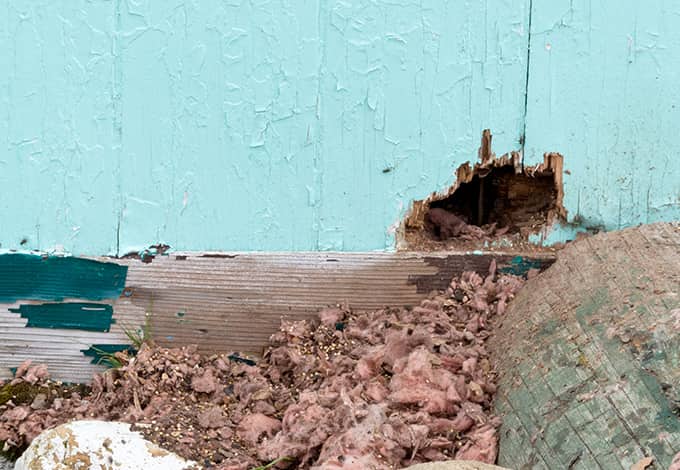
Chew Marks
Rodents love to chew, and chewing is also their primary way to create access to food areas. If you find a hole in a pantry wall, there is a good chance you have rodents. Another good indication is when you find holes in the packaging of stored food.
Dirt Smears
When rodents pass through an area, their fur will rub on floors, walls, pipes, and baseboards. If you see dirt smears, it could be a sign of a rodent infestation. These dirt smears are also called rub marks or grease smears. And, if you're seeing them, it is easy to understand why you don't want these creatures in your food storage areas.
Inspection